Signature formulaHerbal care for chest tightness and mental tension
Gyogam‑dan交感丹
Signals sent by body and mind together
When your chest feels tight and the pit of your stomach feels blocked
After stress builds up, does your chest feel tight, and are sleeping and eating no longer comfortable?
Gyogam-dan is a formula used for discomfort that Korean medicine describes as qi stagnation (gi-ul, 氣鬱).We assess your current symptoms and health before deciding whether to prescribe it.
Chest tightnessStress and tensionSleep problemsChewable herbal pill
CASE 01Tight chest & upper stomachWhen it feels blocked after stress
CASE 02Stress and tensionWhen you're on edge and can't unwind
CASE 03Sleep & appetite problemsWhen it's hard to fall asleep and your appetite drops
Does this discomfort keep coming back?
01My chest feels tight
02My upper stomach feels blocked
03Even small things set me on edge
01My chest feels tight
02My upper stomach feels blocked
03Even small things set me on edge
04I can't seem to unwind
05It's hard to fall asleep
06I have no appetite
04I can't seem to unwind
05It's hard to fall asleep
06I have no appetite
07I often feel low
08Stress gives me headaches
07I often feel low
08Stress gives me headaches
07I often feel low
08Stress gives me headaches
Look beyond a single symptom: notice when it started and what comes with it.
Built-up stress: look at the signals from body and mind together
When stress goes on for a long time, it can be linked to various problems such as poor sleep, digestive trouble and headaches. Noting the changes you feel now will help your consultation.
CHECK 01Changes in mood
Small things make me angry or irritable.
I often feel resentful or anxious.
I feel low and less motivated.
CHECK 02Changes in the body
My chest or upper stomach feels tight.
I have palpitations or a feeling of heat rising.
I feel something stuck in my throat, or my mouth is often dry.
CHECK 03Changes in daily life
I have trouble falling asleep or wake often.
My appetite has dropped and my meals are irregular.
Headaches or dizziness make daily life uncomfortable.
NOTESelf-check guideThis is not a diagnostic test
These items are a guide for organising your own condition, not a test for diagnosing hwabyeong (anger syndrome) or any specific disease. If the discomfort persists or affects your daily life, you need a consultation to identify the cause.
Brief tension, or discomfort that keeps returning?
Even the same tightness can differ in when it appears and how long it lasts.
Don't assume that chest tightness or palpitations are just stress. Depending on the symptoms, an assessment to check for other causes may be needed first.
ObserveTemporary stress response
When it appears
It appears with stressful events or in specific situations.
Effect on daily life
After rest, getting back to daily life is not very difficult.
What to watch
Rest well and observe how the symptoms change.
ConsultPersistent discomfort
When it appears
It lingers or keeps returning even after the situation is over.
Effect on daily life
Sleep, meals, work and relationships are all affected.
What to watch
Note when it started, how often it happens and what comes with it, then seek a consultation.
Gyogam-dan: if this discomfort sounds familiar, consider a consultation
Your chest or upper stomach feels tight when you are under stress
Small things set you on edge and you find it hard to unwind
A busy mind makes it hard to fall asleep, or you wake often
When you feel troubled, your appetite drops and eating becomes difficult
You have mood changes and sleep problems around menopause
Recurring palpitations, headaches or dizziness mean you need to check the cause and seek advice
Similar symptoms can have different causes. We decide whether to prescribe after also checking your medications and existing conditions.
Including what lies behind the tightness, we look at five areas together
Rather than promising results, we first go over the discomfort the consultation will look at.
Whether Gyogam-dan is prescribed and the direction of treatment are decided in an individual consultation. Response to treatment and the length of time needed vary from person to person.
01Mood changes around menopause
Along with irritability or low mood, we check what changes there have been in sleep and appetite.
02Tightness in the chest and upper stomach
We look at when it starts, how long it lasts, and whether it comes with pain or breathing difficulty.
03Tension and sleep problems
We check how long it takes to fall asleep, how often you wake at night, and your fatigue and tension during the day.
04Stress and pent-up frustration
We look at how repeated stress and emotional changes affect your body and daily life.
05Palpitations and physical discomfort
We check the situations in which palpitations, dizziness or a feeling of heat appear, and decide whether other causes need to be assessed.
Five points for getting to know Gyogam-dan
The central herbs in this formula are cyperus rhizome (hyangbuja) and poria with root (baekboksin). In Korean medicine, they are described in the context of addressing qi stagnation and emotional discomfort.
Hyangbuja香附子
POINT 01 · Ingredient
Cyperus rhizome, traditionally used in formulas that address tightness by relieving stagnant qi.
Baekboksin白茯神
POINT 01 · Ingredient
Poria with root, traditionally used when the mind is uneasy and sleep is not restful.
POINT 02 · A formula for qi stagnation (氣鬱)Qi stagnation describes a state in which the flow of qi is not smooth. We look comprehensively at the changes in appetite, sleep and emotion that come with the tightness.
POINT 03 · Traditional backgroundThe supplied materials describe Gyogam-dan as a formula introduced in the Donguibogam, addressing tightness and loss of appetite that come with emotional stagnation.
POINT 04 · A pill that is chewedA form intended to be chewed without water. Ask for guidance on the dose, frequency and specific directions, which depend on your prescription.
POINT 05 · A consultation on your current conditionWe check the pattern of your symptoms, existing conditions and current medications to decide whether Gyogam-dan suits you and plan how to take it.
“Traditionally used” does not mean that clinical effects have been proven; the traditional use of an herb should be understood separately from the effects of the finished formula.
What makes The Green's signature formulas different
We prepare herbal medicine tailored to your constitution and symptoms, using carefully managed medicinal herbs.
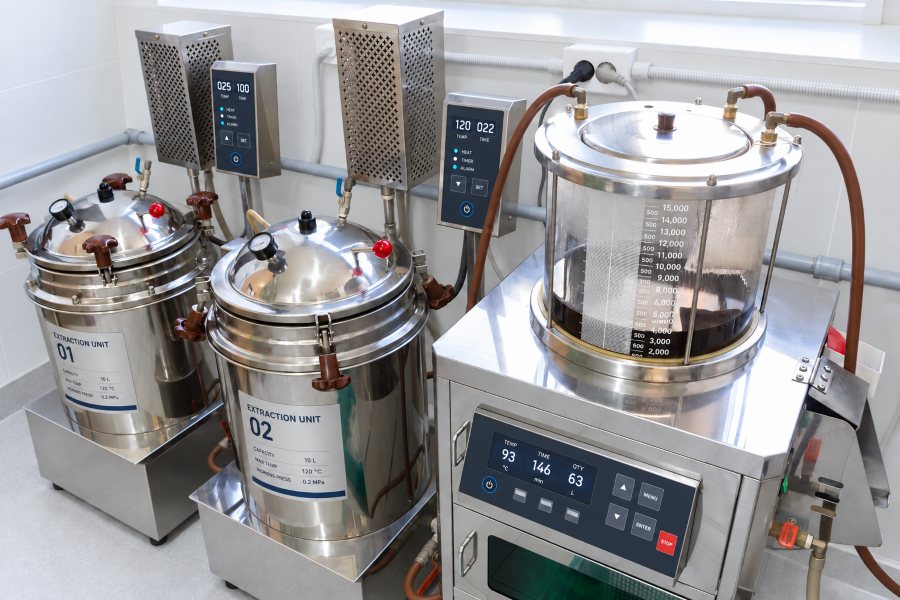
01Systematic decoction
An automated decoction system keeps hygiene and quality under close control.
02Quality-assured herbs
We use medicinal herbs manufactured and managed under herbal GMP standards.
03Carefully selected ingredients
From growing conditions to raw material quality, we check carefully and select strictly.
04One-to-one tailored medicine
We look at your constitution, symptoms and stage of recovery and prescribe herbal medicine suited to your condition.
Tailored formulas from The Green that work well alongside
Based on careful consultation and systematic diagnosis, The Green Korean Medicine Clinic prescribes symptom-specific herbal medicine tailored to your constitution and health.
Check what you want to know before a prescription or taking it. For other questions, contact us by phone (032-321-1030) or KakaoTalk.
The content on this page is provided to explain the composition and scope of use of Korean medicine formulas. Results may vary depending on individual symptoms and constitution, and no specific effect is guaranteed. Be sure to consult a Korean medicine doctor before taking any formula, and tell us about every medication you are currently taking.
QWhat kind of herbal medicine is Gyogam-dan?
Gyogam-dan is a formula presented as centred on cyperus rhizome and poria with root, used for the tightness and emotional discomfort that Korean medicine describes as qi stagnation. Because the same symptoms can have different causes, we decide whether you should take it after a consultation.
QHow do I take it?
Gyogam-dan at The Green Korean Medicine Clinic is a pill that is chewed. The specific dose and frequency depend on your prescription, so follow the guidance you receive after your consultation.
QHow long should I take it?
It depends on how long and how severely the symptoms have lasted, and on your health. Rather than assuming it will work within a set time, we check how you change after taking it and adjust the plan.
QIs it the same as a tranquilizer or sleeping pill?
It is sometimes described as an “herbal tranquilizer”, but that does not mean it is the same as the tranquilizers or sleeping pills used in psychiatry. Do not stop or switch your existing medication on your own; tell our medical staff about the medications you take so we can review them together.
QCan I consult about low mood or insomnia during menopause?
Yes, you can consult us if you have mood changes along with sleep problems. We also need to consider whether you need a separate assessment or treatment, for example for depression, and Gyogam-dan does not replace hormone therapy or psychiatric treatment.
QI was told I have autonomic dysfunction. Can I take it?
We first check your specific symptoms, such as palpitations, dizziness and sleep problems, along with your previous tests and treatment. We do not decide based on the name of a diagnosis alone, but on your current condition.
QCan I consult by phone or remotely?
If it is difficult for you to visit, please contact the clinic first. Depending on your symptoms and the conditions of care, we will tell you which consultation methods are available and whether you need to visit.
Seek care right away for these symptomsIf you have sudden, severe or persistent chest pain or pressure, shortness of breath or a cold sweat, or pain spreading to the arm or jaw, do not wait for an herbal consultation. Call 119 or get emergency care immediately.
Remote prescription
Start by finding out where you stand
The same symptom can call for a different approach depending on its cause and the state of the tissue. Reach us by phone or KakaoTalk first.




 Gongjin-dan · Gyeongok-go
 Chilgi Paste
 Yeonryeong Gobon-dan